Take the First Step in Helping Women in Crisis Heal Their Past

help bridge the gap for women in crisis

Next Home Ministries, Helping You Find Who You Were Meant to be

Since 2017 Next Home Ministries has provided services for over 850 diverse women entering their communities after incarceration in Georgia. These women and their children experience homelessness due to imprisonment, unemployment, underemployment, domestic violence, divorce, substance abuse, and mental illness. Georgia has been in a housing crisis for a very long time. Due to underfunded federal and state programs and various subsidized housing closures, we desperately need shelters and transitional homes to combat homelessness for women and children. Until these problems with housing the homeless are rectified, Next Home Ministries is here to help sustain and help these women through GED programs, job placement, parenting classes, life skills, and budgeting classes. These programs encourage economic self-sufficiency for a better quality of life.

Mission

Empowering homeless women to become self-sufficient, gainfully employed,  and stably housed by providing empowerment tools and community support. 

Vision

To help the whole family focus on mental health and wellness while helping those with dual diagnoses become productive members of society. 
Making it on the Outside Requires more than Freedom

Women are often ill-prepared to address the issues they faced before incarceration. Victimization, substance abuse, mental health issues, limited work experience, financial problems, unstable family life, and parenting challenges can often lead to them returning to the system. Most current state and federal programs to help with these issues have been designed around the needs of men because women are a lower percentage of the total inmate population. Therefore their needs are easily overlooked when programs are designed and resources allocated. 55% of women in Georgia prisons in 2021 had one or more children.

Lack of employment and education before incarceration and access to child care upon release make it increasingly difficult for previously imprisoned women to succeed, putting them at risk of becoming homeless or ending up back in the judicial system. Space can quickly become an issue for shelters because most shelters are not equipped to handle mothers with more than 2-3 children, babies, or teen males. Studies have shown up to 70 percent of women who are homeless or incarcerated have been or are victims of domestic violence, and 41 percent dealt with sexual assault, so, understandably, the idea of staying in a shelter with men might make them ill at ease. Women are homeless for many different reasons; however, lack of affordable housing and inability to get childcare and find a job due to inexperience are the foundation.
 
Each woman released from prison has unique challenges, whether they have children or not. We work hard to find solutions for each woman we work with on a case-by-case basis to help them succeed and not return to the system.
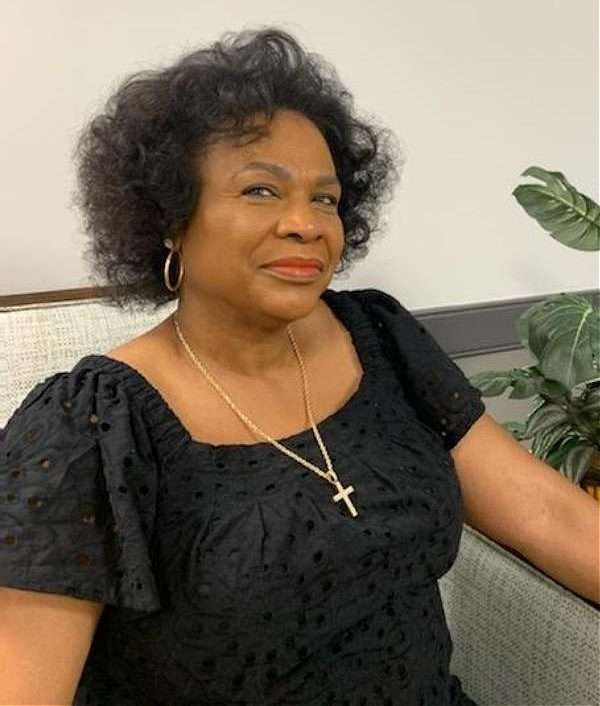
Devora Jerkins, Founder for Next Home Ministries

Devora Jerkins

Founder of Next Home Ministries

The Founder of Next Home Ministries, Devora Jerkins, has a strong passion for healing women and their children’s hurting hearts while equipping them with the tools for victorious living. Mrs. Jerkins’ desire is to lead women to a place of emotional and spiritual healing. Next Home Ministries was formed to help homeless women and children obtain stable and efficient housing through different programs such as HUD and Section 8. Over the past number of years, Mrs. Jerkins has assisted over 850 women and their children. Over 85% of these women have experienced success in obtaining employment and stable housing. Mrs. Jerkins understands and empathizes with their plight because she has stood in their shoes and knows that understanding is the first step to healing.

As a child, it seemed that we didn’t have much in terms of money, clothing, and other needed necessities. My father would often wake up early in the morning and end his nights with more than a few drinks of alcohol. Most nights, our house became a battlefield between my parents, with my father abusing my mother. My siblings and I were left unsupervised to care for ourselves and the home. To me, this was everyday life. One day, I went with my cousin to meet up with some of her friends, and they gave us marijuana. I had never tried it before, and as a result, I was raped while I was there. At 16, I gave birth to twins. I was a baby raising babies. My mother was transparent about her rape by my father, whom she married because you got married when you got pregnant during those times. 
 
I was a single mother, trying to be both parents. I attempted to be a super mom, but I didn’t care for myself. I was trying to manage it all, and I ended up having a mental breakdown. When I met a man who asked me to marry him, I had three kids. Mind you now, I had not been treated for my mental break or the trauma of being raped, the exposure to substance abuse, and the domestic violence that plagued my family. 
 
When I began to use cocaine, my life spiraled out of control. My years of addiction resulted in me going to jail, homelessness, untreated mental illness, and other risk behaviors. I lived a destructive life and felt powerless, angry, hopeless, and worthless. My substance-abusing behaviors went on for over twenty years untreated. The side effects of my mental illness and drug abuse showed up in homicidal thoughts, high levels of impulsivity, anxiety, confusion, depression, hyperactivity, mood swings, and paranoia. We attempted to address the drugs but not the core of my mental health issues. I went to several rehab centers but always relapsed shortly after being discharged. My husband was murdered in 2005, a drug-related murder.
 
My family and other support systems help me find a mental health doctor who has been my doctor since 2005. I have learned coping skills and medication management. He has given me my life back, and I am grateful. I am living a productive life in recovery. Of course, it isn’t easy, and I have to renew my mind daily, but I am living my best life most days. I have five children who have gone on to be successful. I have ten grandchildren and three great-grandchildren, who keep me
busy. We are still working on our relationships; nothing is perfect, but we all enjoy this second chance at a life together. A spiritual bond with my higher power, whom I chose to call Jesus Christ, and positive relationships keep me on track. I obtained a high school diploma in 2007, and I’m a motivational speaker. I volunteer with Peachtree United Methodist Outreach program’s prison ministry and have a certificate from ITC in seminary. 
 
Recovery is a lifestyle change that will be with me until I leave this earth. However, I am not the woman I used to be, and with my coping skills, I can recognize that old behavior, remove it from my thought process, and stay focused. My advice to my peers is never to stop believing in your recovery; it is possible. Get treatment that addresses your mental health and or substance abuse needs. Take control over your recovery.
 
To all those who work diligently in behavioral health, please continue to provide each client with trauma-informed care and best practices because time and healing will reveal the truth about who we can and will become. Thank you for empowering me and others to tell you our story.  

What People Say About Next Home Ministries

Our Partners